

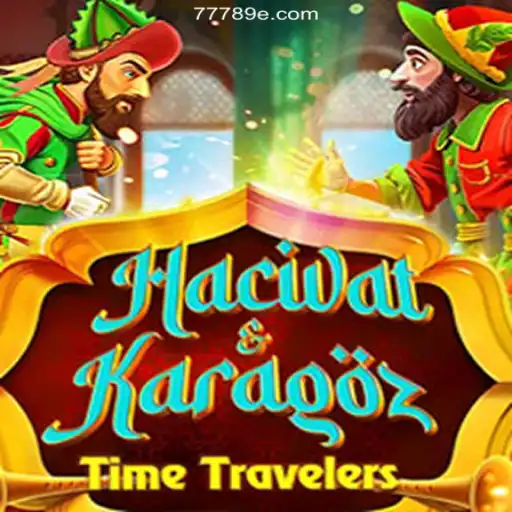
The Enchanting Game of Hacivat and Karagoz
Hacivat and Karagoz is a traditional shadow play originating from the Ottoman Empire, now adapted into an innovative game enjoyed by players worldwide. This game brings to life the rich cultural heritage of Turkey, showcasing witty dialogues and charismatic characters in an engaging format.
Origins and Cultural Significance
The roots of Hacivat and Karagoz can be traced back to the Ottoman era, where it started as a form of theatrical shadow play. These performances were traditionally held during the month of Ramadan and at special celebrations, captivating audiences with their humor and moral lessons. The characters of Hacivat, the intelligent and scheming, and Karagoz, the naive and candid, became iconic figures representing different facets of society.
Game Introduction
In recent years, the timeless appeal of Hacivat and Karagoz has been captured in a modern game format that retains much of the charm and wit of the original performances. Designed to capture the strategic depth of the original stories, the game presents players with various challenges that test their strategic thinking and creativity. As players navigate through scenarios drawn from classic tales, they must embody the traits of the two main characters, making the experience educational as well as entertaining.
Game Rules and Mechanics
Players engage in rounds where they alternate between the roles of Hacivat and Karagoz. Each character possesses unique abilities and strategies that can be leveraged to influence the game board. For instance, playing as Hacivat involves using intellect to solve puzzles and outmaneuver opponents, while taking on Karagoz's role means utilizing straightforward tactics and surprising moves. The aim is to gain the upper hand through strategic decisions and resource management.
At the start of each session, players are introduced to a set of scenarios. Each scenario presents challenges that require cooperation, negotiation, or confrontation. The game unfolds in rounds, with each turn offering new opportunities and dilemmas. Players collect tokens that represent cultural insights, which are key to advancing through the levels.
Interactivity and Social Dynamics
The game is designed to promote social interaction, reflecting the communal spirit of the original performances. Players must engage with each other, form alliances, and sometimes engage in humorous banter reminiscent of the playful exchanges between Hacivat and Karagoz. This interactive element is especially appealing in today's era, fostering connections in both virtual and physical worlds.
Current Events: A Growing Popularity
In light of Brazil's rising interest in cultural games, Hacivat and Karagoz have found enthusiastic audiences there, owing to its novel blend of tradition and strategy. With platforms such as 89 E ⭐️ A Plataforma de Apostas #1 do Brasil providing unique inroads to such culturally rich games, the title has gained traction among Brazilian players looking for authentic cultural experiences intertwined with playful entertainment.
Conclusion
The enduring allure of Hacivat and Karagoz as a game reflects a wider global trend of rediscovering cultural heritage through interactive formats. As players explore this captivating blend of strategic gameplay and historical narrative, they are weaving a tapestry that spans generations and borders, celebrating cultural diversity in the process.